







Search Results for: cafe compensation
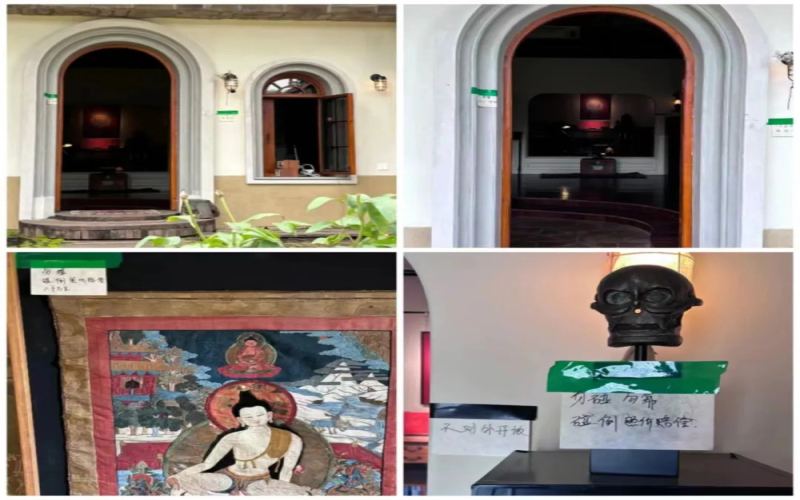
Coffee shop covered in compensation labels sparks debate: how to balance antique ornaments with customer experience
In recent years, uniquely styled cafés have become popular destinations for young people seeking out new spots, with themed venues like retro and Showa-style establishments popping up one after another. However, some netizens have noticed that at a café featuring a medieval retro theme, price tags are stuck on items everywhere, reminding customers not to touch the antique ornaments and warning that any damage must be compensated at full price. While this approach of displaying a large private collection in the store creates a rich artistic atmosphere, it also makes customers feel constrained, robbing the café of the relaxed ease it should have. How to strike a balance between showcasing treasured collectibles and ensuring a comfortable customer experience has become a question worth pondering. [more…]
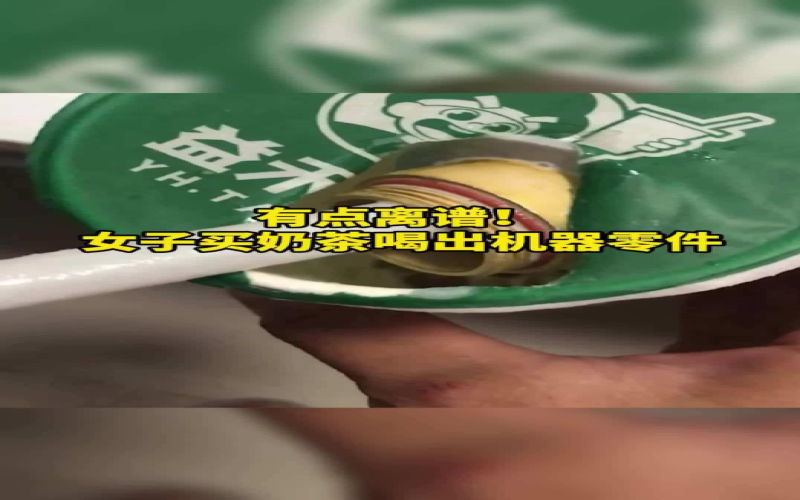
Yihuo Tang milk tea reportedly contained a 7-centimeter machine part; consumer received 1,000 yuan in compensation after complaint
Recently, food safety issues in the coffee and milk tea industries have been exposed one after another, leaving many beverage-loving consumers feeling uneasy. On May 6, Yihuatang made trending searches due to the use of expired and moldy ingredients, and on the same day it appeared twice in Weibo trending searches—a woman in Foshan, Guangdong, found a 7-centimeter-long machine part in her takeout milk tea. After complaints and negotiations, Yihuatang eventually compensated the consumer 1,000 yuan. Meanwhile, some Yihuatang stores in Zhengzhou were also exposed by the media for serious food safety hazards, with employees even saying, "As long as it doesn't kill you, it's fine." This series of incidents once again reminds us that low prices cannot be used as a shield for food safety, and brands must take responsibility for supervising their franchise stores. [more…]

Customer Accidentally Breaks Purple Clay Teapot Lid, Asked to Compensate Over 900 Yuan; Netizens Debate Whether Compensation Standard Is Reasonable
Drinking coffee in a café is supposed to be a relaxing and pleasant affair, but if you accidentally damage a display piece in the shop, it can trigger a headache-inducing compensation dispute. Recently, a customer in a café accidentally broke the lid of a Yixing clay teapot priced at 3,980 yuan, and ultimately compensated 926.5 yuan, half of the wholesale price. After the incident came to light, netizens engaged in a heated discussion over whether the compensation amount was reasonable and whether the shop should present purchase receipts. Why is it so hard to find a matching lid for a handmade Yixing clay teapot? How should responsibility be divided between the customer and the shop? This article will walk you through the incident and the various viewpoints, and explore how fragile utensils should be displayed and used in coffee spaces. [more…]
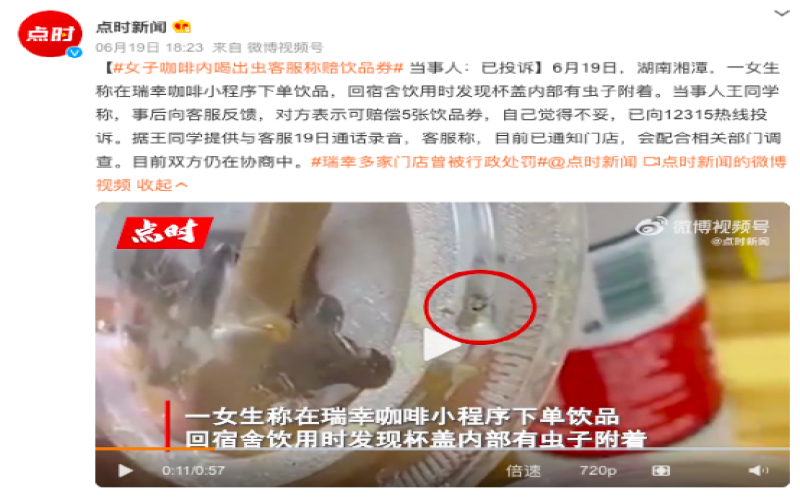
Luckin Drink Contaminated with Insect Sparks Heated Discussion; Customer Service Compensation Plan Questioned, Quality Control Issues in the Spotlight
Recently, a woman in Xiangtan, Hunan Province, found an insect in a Luckin Coffee beverage. The incident quickly trended on Weibo, sparking widespread discussion. The individual involved said that customer service successively offered compensation of two and then five drink coupons, but she was dissatisfied with this and has filed a complaint with 12315. Netizens shared similar experiences and questioned Luckin's compensation plan and hygiene management. At the same time, some voices pointed out that mosquitoes and insects are hard to completely avoid in summer, and a single case should not be used to make sweeping generalizations. This article will review the course of the incident and the views of all parties, and explore the quality control challenges facing the coffee industry. [more…]
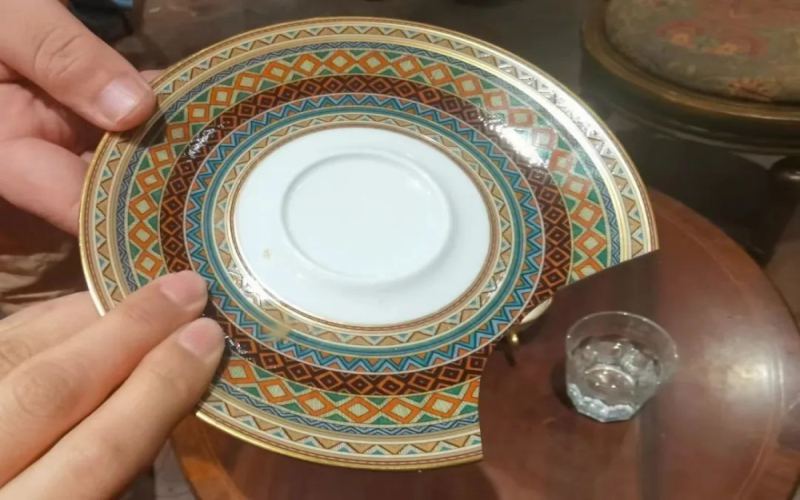
Shattering a cup saucer in a coffee shop and being asked to pay 3,000 yuan in compensation—should valuable utensils have their value marked in advance? This has sparked heated discussion.
Recently, a netizen claimed that while consuming at a café, they accidentally broke a cup saucer and were asked by the shop to pay 3,000 yuan in compensation. The incident quickly sparked widespread discussion online. The shop claimed the saucer was a genuine Hermès item but never produced valid proof. The final negotiated outcome was that the customer and the staff member each bore half of the compensation, but the netizen still had doubts about how it was handled and asked the public whether they should call the police and pursue judicial procedures. Around issues such as whether the compensation amount was reasonable, whether the shop should proactively remind customers of the value of its utensils, and how to identify genuine products, netizens engaged in extensive discussion. [more…]
Milk tea chain hit with 11 tenfold compensation claims in one month: how can food safety law become a tool for profit?
A chain milk tea brand with over six hundred stores unexpectedly encountered, within just one month, eight stores in the same area and a total of eleven complaints, all with identical reasons—hair found in takeaway drinks, and on that basis demanding ten times compensation. The cumulative compensation amount exceeded eleven thousand yuan. After the merchant noticed something unusual and called the police, the police quickly identified a suspect, whose motive was actually that he had tasted the "sweetness" from the first genuine complaint, and then turned rights protection into a means of extorting money. This case prompts reflection: the Food Safety Law is originally a sharp weapon for protecting consumers, but if it is used by people with ulterior motives as a shortcut to get rich, the law will also impose sanctions. The following will restore the course of the incident and explain the criteria for determining the crime of extortion and its legal consequences. [more…]
How is the working compensation at Starbucks? In 2023, Starbucks canceled remote work.
For professional coffee knowledge exchange and more coffee bean information, please follow Coffee Workshop (WeChat public account: cafe_style) For more specialty coffee beans, please add the personal WeChat of Front Street Coffee (FrontStreet Coffee), WeChat ID: qjcoffeex Remote work became a common phenomenon after the pandemic, but Starbucks interim CEO Howard Schultz announced on January 11 that remote work would be canceled starting January 30, requiring employees within commuting distance of headquarters to work in the office at least three days a week, with two of those days fixed as Tuesday and Wednesday, and the remaining day to be decided by each team. Schultz stated that the move aims to rebuild employee connections and promote team coordination, and noted that baristas cannot work remotely. Although remote work can reduce costs, it faces challenges in management, sense of belonging, and communication efficiency. An internal Starbucks survey showed that employees' confidence in the company's ethics and social impact has declined. This policy also applies to employees at offices in other regions. [more…]
Woman Extorted a Popular Milk Tea Brand Ten Times by Complaining About Foreign Objects in Takeout, Sentenced to One Year and Three Months in Final Appeal
A woman surnamed Zhang used the excuse of finding hair in takeaway milk tea to file ten compensation claims against multiple outlets of the same milk tea chain within just over a month, using the same photo six times, and collected more than 15,000 yuan in total. The merchants initially chose to compromise to protect the brand image, but as similar complaints appeared frequently, the brand's loss prevention department launched an investigation and called the police. Police arrested the woman on her eleventh complaint, and the court ultimately sentenced her to one year and three months in prison, suspended for one year and six months, and a fine of 5,000 yuan for extortion. The case exposes the phenomenon of some consumers abusing the tenfold compensation clause of the Food Safety Law to file malicious claims, and also sounds a warning bell for the catering industry in handling similar disputes. [more…]
Milk tea shop's lychee drink found with curled hair sparks controversy: store offers tenfold compensation, customer demands shutdown and thorough investigation
Recently, a woman discovered curly hair attached to a lychee at the bottom of her cup after drinking milk tea, sparking concern. The store involved responded that the lychee tea uses a lidded rather than sealed packaging, the source of the hair is currently unclear, and it is willing to pay ten times compensation and accept investigation, but the individual refused compensation and demanded the store be shut down for rectification. Meanwhile, hygiene problems in the tea beverage industry occur frequently: a Nayuki Tea store was exposed for cockroaches crawling everywhere and rotting fruit, and cockroaches appeared on the counter at Yihetang. Food hygiene and safety concern consumer health, and whether a well-known brand or an ordinary store, production processes should be strictly controlled and safety systems implemented. [more…]
Live maggots found again in Luckin Coffee drink, customer rejects three-voucher compensation offer
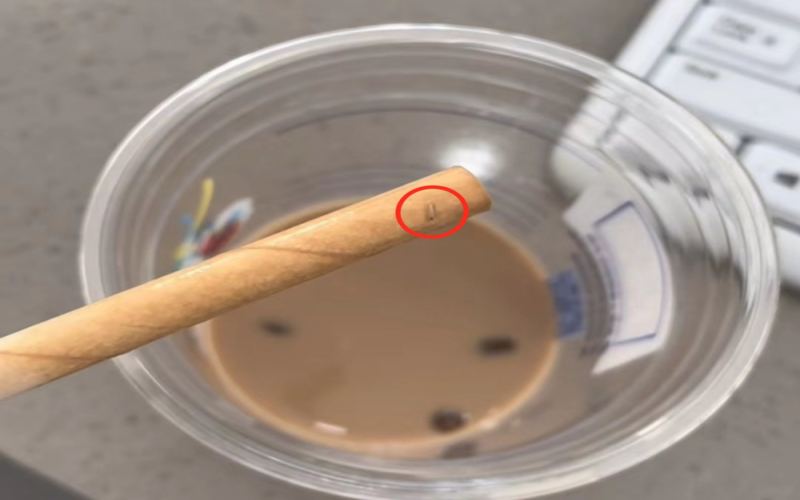
Recently, a consumer exposed on social media that she found several still-wriggling live maggots in a meteorite-series drink she bought at Luckin, by which time she had already drunk more than half the cup. The store involved responded that surveillance showed no abnormalities in either operations or material storage, and proposed three drink coupons as compensation, but the customer explicitly refused. This is not the first time Luckin has been caught up in a storm over insect foreign objects; several similar incidents were exposed last year. As the incident continues to ferment, market regulators have stepped in, and the consumer has yet to receive any further official communication. Food safety has once again become an unavoidable core issue for the beverage industry. [more…]
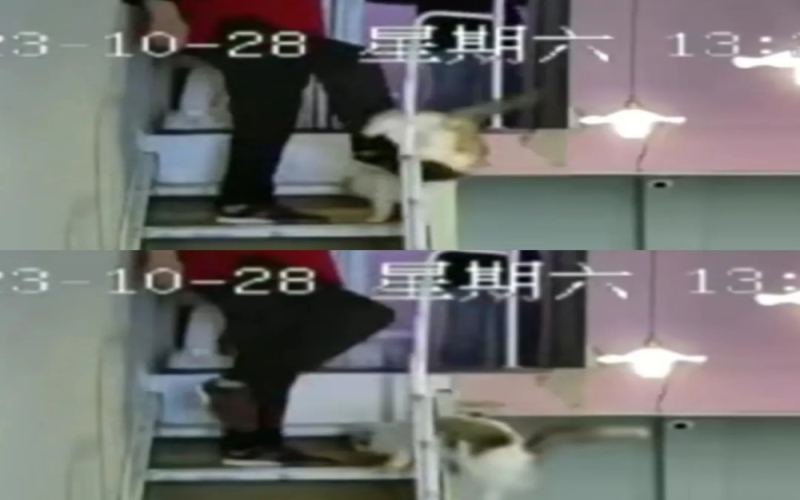
A father kicked a cat down the stairs at a cat cafe in Wuxi, sparking heated discussion; the shop owner, fearing retaliation, gave up pursuing accountability.
On October 28, a distressing scene unfolded in a cat café in Wuxi, Jiangsu: a father, because a cat had startled his child, actually kicked the cat down the stairs. After the surveillance footage was exposed, netizens were furious and offered the shop owner advice on how to pursue accountability. However, because the owner had not called the police in time and feared retaliation afterward, he ultimately chose not to pursue the matter further. This incident once again sparked discussion about whether cat cafés should admit children, and also reflected the real-world dilemma of animal protection and the safeguarding of merchants' rights. [more…]
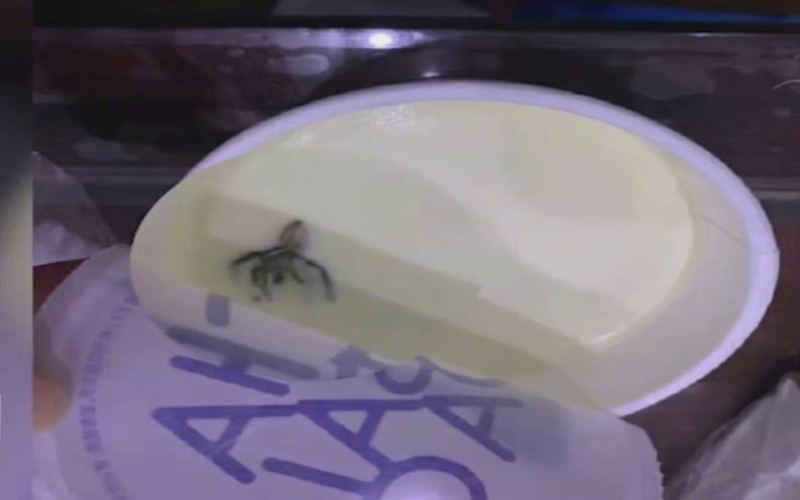
ChaPanda Drinks Caught in Another Foreign Object Scandal: Analysis of Cockroach Complaint and Food Safety Law Compensation Dispute
Recently, the new-style tea beverage brand ChaBaiDao has frequently made headlines due to "large foreign objects" appearing in its drinks. From "real spider milk tea" to nail clippers, and now the latest cockroach incident, consumer complaints have been continuous. These incidents coincide with ChaBaiDao's plan to go public in Hong Kong, sparking discussions about its food safety management and whether there are malicious claims. This article reviews the detailed process of the ChaBaiDao cockroach complaint, analyzes the disagreement between the consumer's claim of 1,000 yuan and the merchant's offer of only 200 yuan, and explores the potential issues of insufficient employee training and "loophole attacks" under the Food Safety Law amid the rapid expansion of chain brands. At the same time, we will also focus on the current state of food safety in the industry and provide professional information for coffee enthusiasts. [more…]
The counterfeit Starbucks coffee case has finally come to a close: Shuanshan Company was ordered to pay 21.72 million yuan in compensation, drawing attention to the rise of domestic coffee brands.
As coffee consumption grows increasingly widespread, brand infringement cases have also risen. In 2018, market regulators in Wuxi received a tip-off and discovered counterfeit "Starbucks" instant coffee products circulating on the market; an investigation confirmed they were sold by Shuangshan Food (Xiamen) Co., Ltd. Although the company knew the products were fake, it still supplied more than 50 merchants across 18 provinces nationwide, with the amount involved exceeding 7 million yuan. In 2021, the Wuxi Intermediate People's Court ruled in the first instance that Shuangshan Company must publicly apologize and pay 21.72 million yuan in punitive damages. This case not only demonstrates the strength of the law in protecting intellectual property rights, but also prompts reflection on the development of domestic coffee brands. At the same time, Chinese brands such as Luckin and MANNER are winning consumers' favor with better value for money and taste, while Starbucks relies more on its store environment to maintain its appeal. This article takes you through the details of the case and explores the changing landscape of the coffee market. [more…]
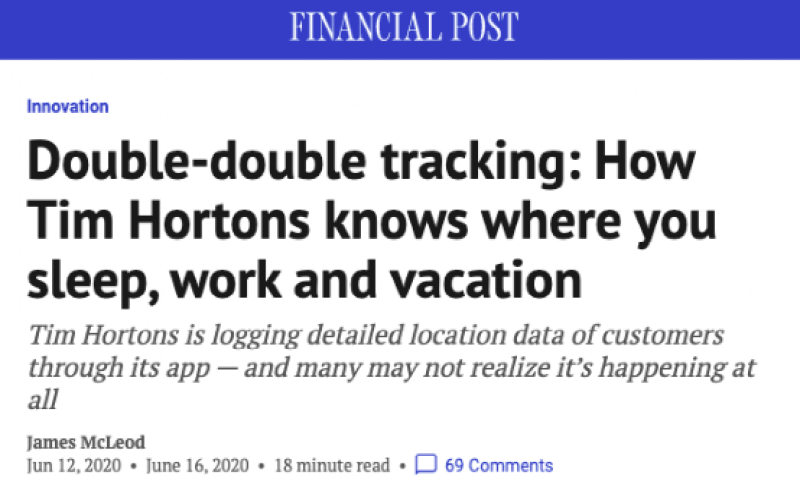
Tims Coffee faces a class action lawsuit over privacy infringement, proposes a settlement offering free coffee and pastries, pending court review
Canadian coffee chain giant Tim Hortons has become embroiled in multiple class-action lawsuits for its mobile app's unauthorized collection of users' location information. The company recently proposed a settlement offering free coffee and donuts to affected users, and promised to permanently delete user data collected during a specific period. However, this proposal has been criticized as trading a small compensation for sensitive private information. The settlement is still pending court approval, with a hearing scheduled in Quebec court on September 6. This article provides a detailed account of the incident, the positions of both parties, and the legal disputes, along with professional insights from Front Street Coffee. [more…]
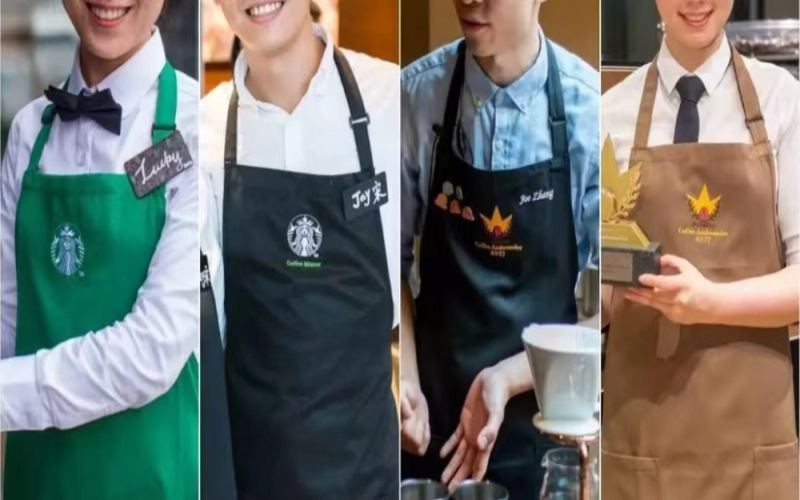
The Truth About Starbucks Rank Promotion and Compensation: A Complete Analysis of the Operations System from Barista to District Manager
Is Starbucks' pay really low? Is the promotion path truly so long? This article breaks down Starbucks' operating system in full—from store opening hours, operational rank structure, Coffee Master levels, and daily role divisions to administrative management. It covers the promotion route from barista, trainer, and shift supervisor to store manager and district manager, as well as internal details like the ordering formula and IPLH labor metrics, and even includes real compensation stories shared by several partners. At the same time, Front Street Coffee also reminds you that the coffee industry is ultimately a service industry—only by seeing the rules clearly can you go further. [more…]
Legal Interpretation of the Luckin Low-Price Order Incident: Consumer Red Lines and Platform Liability Under System Vulnerabilities
The unusual pricing incident involving Luckin Coffee's delivery platform packages has drawn widespread attention. After consumers placed orders at extremely low prices, their orders were unilaterally cancelled, giving rise to legal disputes. Citing the views of a legal blogger, the People's Court Daily pointed out that when a merchant's pricing error results from staff mistakes, the merchant may claim a major misunderstanding to rescind the contract, but this must be resolved through litigation or negotiation. Ordinary consumers who unintentionally buy low-priced drinks have not broken the law, but those who knowingly exploit a system loophole and maliciously place large numbers of orders may run afoul of the law. This article will analyze the course of events, the legal basis, and Luckin's compensation measures in detail, while reminding coffee lovers that when enjoying discounts they must hold fast to the bottom line of good faith and avoid crossing the red line of the law. [more…]
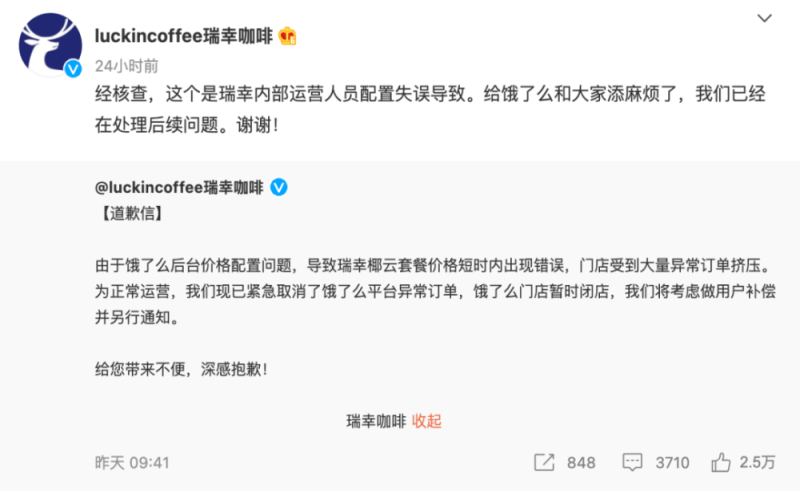
Is Luckin's forced cancellation of low-priced orders illegal? Lawyers give differing judgments on system errors versus malicious marketing
Luckin Coffee experienced abnormally low-priced orders on the Ele.me platform due to an operational configuration error. After a large number of users rushed to place orders, Luckin handled the situation by unilaterally canceling orders and temporarily suspending online operations. This move sparked strong dissatisfaction among consumers and also drew attention from the legal community: lawyers on one side argued that canceling paid orders was suspected of infringing on consumer rights; the other side pointed out that if it was a major misunderstanding, the contract could be revoked in accordance with the law. If there was intentional malicious marketing, it could also constitute fraud. In the end, Luckin promised to bear all losses and issue compensatory vouchers. This article sorts out the course of the incident, netizen feedback, and lawyers' views, so that coffee lovers can understand the full picture of this controversy. [more…]
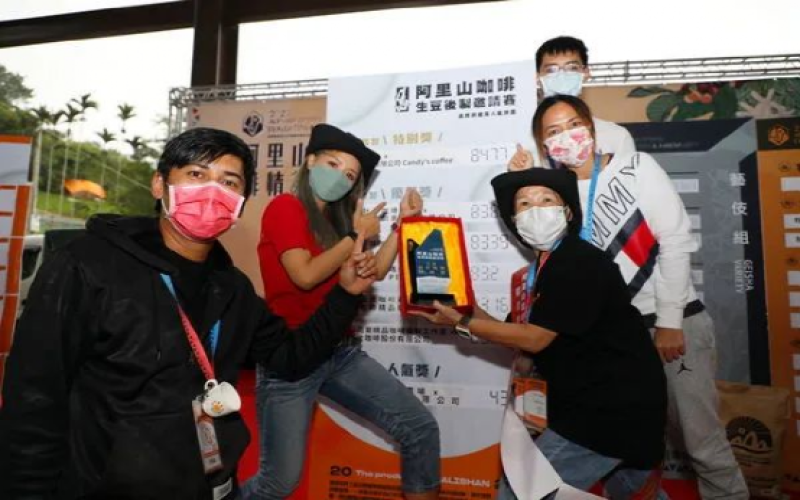
Taiwan Specialty Coffee Evaluation Ranking Disrupted by Coding Errors; Organizer Admits System Failure and Compensates the Difference
Every year, global coffee production is enormous, and different regions and processing methods give coffee beans an endless variety of flavors. Rather than trying blindly, many enthusiasts choose to buy award-winning beans from competitions directly, which ensures quality and lets them experience the award-winning flavors. Coffee farmers also hope to achieve good rankings through competitions to increase the selling price and reputation of their green beans. However, a specialty coffee evaluation in Yunlin County, Taiwan, for self-produced beans was disrupted by a computer system failure that scrambled the codes linking entrants to coffee beans, causing errors in the previously announced rankings: a Grand Prize winner became a Gold Award winner, drawing attention. The organizers urgently corrected the list and promised to pay the bonus difference, but the credibility of the competition still faces a test. [more…]
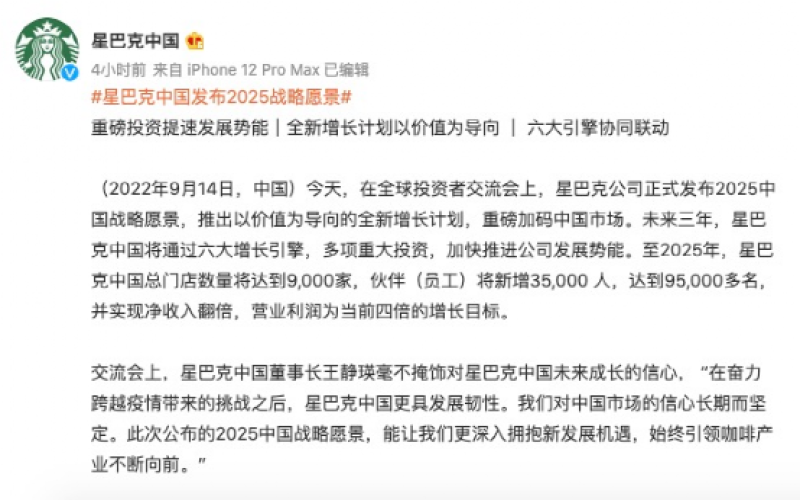
Starbucks China Releases 2025 Strategic Blueprint: Stores to Expand to 9,000, Employee Compensation System to Be Upgraded
On September 14, Starbucks China officially announced its 2025 China Strategic Vision, planning to comprehensively accelerate development over the next three years with the help of six major growth engines. The blueprint covers multiple dimensions, including store network expansion, promotion of the green store certification system, digital membership upgrades, localized new product development, and employee salary increases. According to the plan, by 2025 Starbucks China's total number of stores will climb to 9,000, its workforce will grow to 95,000, and doubling targets have been set for both net revenue and operating profit. At the same time, the Starbucks Coffee Innovation Park will also begin production in the summer of 2023, completing the localization layout of the entire industry chain. In the face of fierce competition from local brands such as Luckin, whether this strategy can help Starbucks consolidate its market position is worth continued attention. [more…]
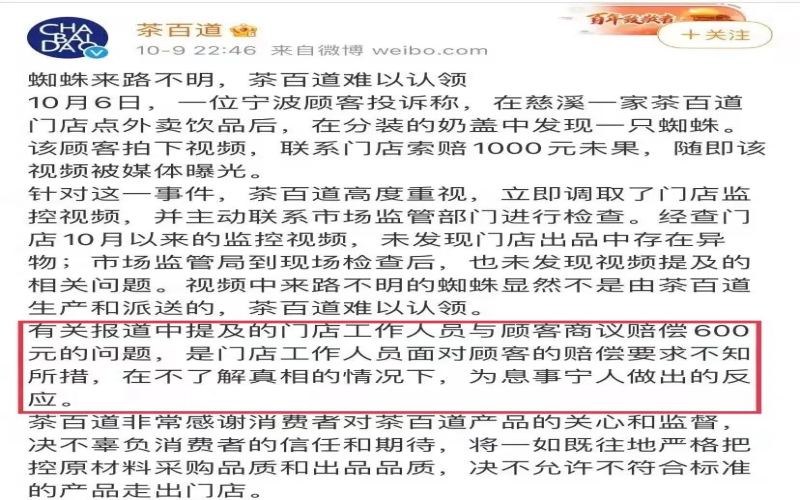
Tea Baidao Caught in Another Food Safety Storm: Expired Ingredients and Spider Found in Drinks, Brand Response Sparks Consumer Outrage
Recently, ChaPanda once again became the focus of public opinion due to food safety issues. On the evening of October 9, the brand's official Weibo posted two statements in succession, responding to the incidents of "using expired raw materials" and "a Ningbo customer complaining about finding a spider in a drink." Regarding the spider incident, ChaPanda said the source of the spider in the video was unknown and difficult to verify, and explained that the 600 yuan compensation was a response made by store employees to settle the matter, but this response did not calm netizens' doubts. A week earlier, ChaPanda had just apologized after a blogger's undercover investigation exposed the use of expired materials with replaced labels. In fact, since the beginning of this year, ChaPanda has been found multiple times in surprise inspections by market regulatory authorities in various places to have issues such as incomplete health certificates and expired raw materials. Although the brand emphasized that it had investigated and rectified stores nationwide, the frequent food safety hazards still make consumers worried. [more…]